

Promoting Health Equity Through Outreach
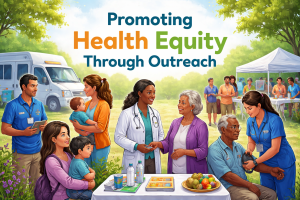
Access to quality healthcare should not depend on a person’s income, location, background, or social status. Yet for many communities, healthcare remains difficult to reach because of financial barriers, limited facilities, lack of awareness, or cultural challenges. This is where health outreach plays a critical role. By bringing healthcare services and education directly to underserved populations, outreach programs help close the gap and promote true health equity.
Understanding Health Equity
Health equity means ensuring that everyone has a fair and just opportunity to achieve their best possible health. It recognizes that some individuals and communities face greater obstacles than others and need additional support to overcome those challenges.
These barriers may include:
- Limited access to healthcare facilities
- Financial hardship
- Language and cultural differences
- Lack of transportation
- Low health literacy
- Geographic isolation
Without intentional action, these challenges can lead to poorer health outcomes and increased disparities.
How Outreach Supports Health Equity
Health outreach programs help remove barriers by meeting people where they are. Rather than waiting for patients to seek care, outreach teams actively connect with communities to provide support.
1. Bringing Services Closer to Communities
Mobile clinics, health camps, and local screenings allow people to receive care without traveling long distances. This is especially important in rural and underserved urban areas where healthcare facilities may be limited.
2. Improving Health Education
Many health conditions become severe because people do not recognize early symptoms or understand prevention. Outreach programs provide education on:
- Nutrition
- Hygiene
- Chronic disease prevention
- Maternal care
- Mental health
- Immunization
Knowledge empowers individuals to make healthier choices.
3. Building Trust in Healthcare
Some communities may distrust healthcare systems due to past experiences or cultural differences. Community outreach creates personal connections that help build confidence and encourage people to seek care earlier.
4. Reaching Vulnerable Populations
Outreach programs often focus on groups that face the greatest healthcare barriers, including:
- Low-income families
- Elderly individuals
- People living with disabilities
- Children
- Rural populations
- Minority communities
Targeted support helps ensure no one is left behind.
The Role of Community Partnerships
Health equity cannot be achieved by healthcare providers alone. Successful outreach often depends on collaboration with:
- Local leaders
- Schools
- Religious organizations
- Nonprofits
- Government agencies
These partnerships improve communication and strengthen the impact of health initiatives.
Long-Term Benefits of Equitable Outreach
When communities receive consistent support, the benefits extend beyond individual patients. Health equity through outreach can lead to:
- Lower disease rates
- Earlier diagnosis
- Better treatment outcomes
- Reduced healthcare costs
- Stronger communities
- Improved quality of life
Small outreach efforts can create lasting change for generations.
Moving Toward a Healthier Future
Promoting health equity means recognizing that equal care is not always enough. Some communities need greater support to achieve the same healthy outcomes. Through compassionate outreach, healthcare organizations can reduce disparities and ensure that quality care reaches those who need it most.